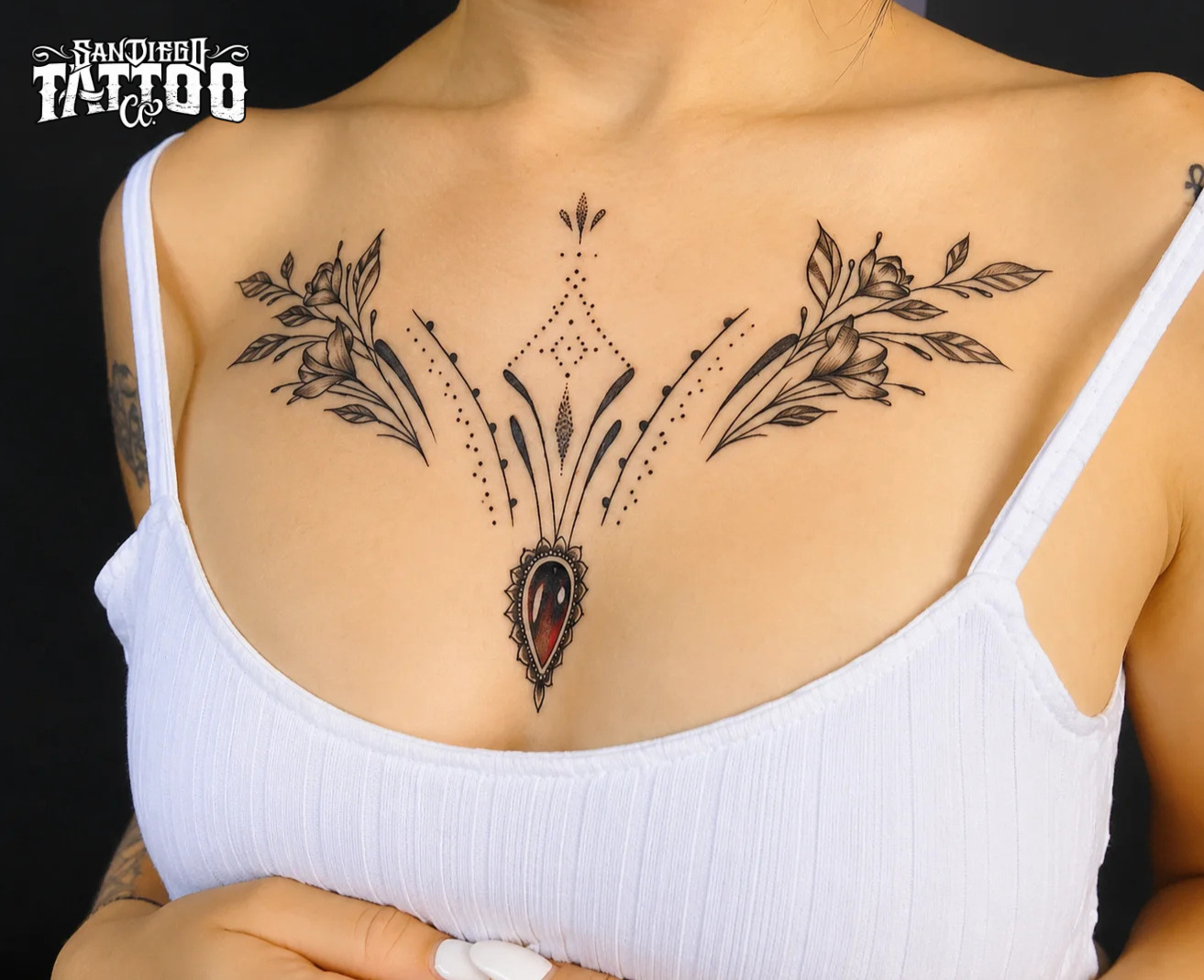
Love a Tattoo Design but Not Sure Where to Place It? Here’s Why Placement Matters
Choosing a tattoo design is exciting, but finding the right spot for it is just as important. A great design can lose its charm if it's placed somewhere that doesn't suit your body or lifestyle. But if you choose wisely, your tattoo can look balanced, age well, and feel like it was meant to be there from the start.
In this guide, we'll show you why where you place your tattoo matters, how different body areas affect how it looks, and what to think about before you decide. Whether you're planning a small, fine line tattoo, a bold traditional design, or a full-color custom piece, understanding placement will help you make a smarter choice. If you're exploring styles, check out our fine line tattoos and realism tattoos to see how different artwork interacts with the body.
For health and safety tips, take a look at the Centers for Disease Control and Prevention for advice on hygiene and infection prevention, since aftercare and proper tattooing practices matter no matter where your tattoo is placed.
Why Tattoo Placement Matters More Than Most People Realize
Placement affects flow, balance, and visual impact
Your body isn't a flat canvas. It's full of curves, movement, and muscles, all of which shape how a tattoo looks. A design that seems perfect on paper might need a few tweaks to fit your arm, calf, ribcage, shoulder, or back. When the placement complements your body, the tattoo looks more natural and stands out.
Think of placement as part of the overall picture, not just a spot on your body. A design placed too high, too low, or at an awkward angle can feel disconnected. A skilled artist might suggest small changes to make sure the piece looks good from different angles and fits into your everyday life seamlessly.
Placement can change how long your tattoo stays crisp
Some areas of your body hold detail better than others. Spots with a lot of friction, movement, or stretching might blur lines faster over time. Areas like hands, fingers, feet, and joints age differently than the upper arm or back. This doesn't mean you can't tattoo those spots, but you need realistic expectations and thoughtful design choices.
Trusted sources like the NHS tattoo aftercare overview highlight that aftercare and healing can vary by location, since different areas experience more rubbing, swelling, or exposure. This is why placement should be part of the design conversation from the beginning.
How Different Body Areas Affect Tattoo Design
Arms and forearms: versatile and highly visible
Arms are super flexible and popular for tattoos because they work with many styles. A forearm can beautifully display a linear design, while the upper arm offers more space for larger pieces or layered compositions. This area is a great choice if you want a tattoo that's easy to see, photograph, and expand later.
Forearms are especially good for designs with a clear top and bottom, like script, geometric work, or illustrative pieces. If you're thinking about a piece with crisp edges or delicate detail, our black and gray tattoos offer great contrast, while color tattoos make the same spot feel bold and eye-catching.
Back and shoulders: ideal for larger compositions
The back is one of the largest and most balanced surfaces for tattooing. It's perfect for wide, detailed compositions that need room to breathe. Shoulder caps, upper-back panels, and spine-centered artwork can all use the body's symmetry to create a dramatic effect.
Because the back has broad, relatively flat zones, it's a strong option for complex custom pieces, fantasy scenes, or large-scale realism. If you love powerful imagery, our fantasy and illustrative art and traditional tattoos can both be adapted to back placement, preserving clarity and movement.
Ribs, sternum, and abdomen: beautiful but demanding
These areas are known for their elegance and intimacy, but they need more planning. Rib tattoos follow a curved and often sensitive surface, so the design must work with the body's shape. The sternum and abdomen can shift with breathing, posture, and body changes, making experienced placement planning essential.
Designs in these areas often benefit from elongated shapes, vertical flow, or symmetrical compositions. A tattoo here can feel deeply personal and visually striking, but it's wise to talk about pain, healing, and future body changes with your artist before finalizing the layout. The American Academy of Dermatology advises considering tattoo placement and skin care carefully to reduce complications and support healthy healing.
How Style and Placement Work Together
Fine line tattoos need thoughtful spacing
Fine line tattoos can be elegant and meaningful, but they rely on precise spacing and clean structure. If a fine line design is placed in a high-friction zone or an area with heavy stretching, the details may soften more quickly. That's why placement matters so much for minimal work.
For instance, a small floral piece on the inner forearm might age better than the same design on a finger or ankle. Similarly, a tiny script phrase can stay readable longer when placed on a more stable area of skin. Our fine line tattoos are often planned with body movement in mind so the final result stays elegant over time.
Bold traditional tattoos need room for strong shapes
Traditional tattoos are built around strong outlines, clear imagery, and high readability. These designs usually look best where the body gives them enough room to breathe. If a traditional piece is squeezed into a space that's too narrow or small, it can lose the punch that makes the style effective.
Common favorites include arms, calves, thighs, and upper shoulders. They allow the design to maintain strong linework and proper balance. A skilled artist can also use placement to make a traditional tattoo feel more dynamic, like wrapping a design around the outside of the arm or following the curve of the leg.
Realism depends on proportion and perspective
Realistic tattoos often need a larger, well-chosen area because the artwork depends on fine shading, accurate proportions, and smooth transitions. Portraits, animals, and detailed objects need space for features, textures, and light sources to be clear. If a realism tattoo is too small for the chosen placement, the details might blur together sooner than expected.
That's why many realism pieces are placed on upper arms, thighs, backs, or calves, where the artist can build depth without crowding the image. If you're leaning toward this style, our realism tattoos can be designed with your body's contours in mind so the final piece feels lifelike.
Practical Factors to Consider Before You Choose a Spot
Visibility and lifestyle matter more than people think
First off, think about how visible you want your tattoo to be. Some folks want a piece they can see every day as a reminder of something special. Others prefer something private that can be covered for work or personal reasons. Placement gives you that control.
Your job and daily routine can also influence the right spot. If you work with your hands, spend a lot of time in the sun, or wear protective gear, some areas might not be ideal. A placement that fits your lifestyle will usually feel better long-term than one chosen just for looks.
Pain tolerance should be part of the conversation
Everyone feels tattooing differently, but some areas are definitely more sensitive. Spots with thin skin, more nerve endings, or less padding can feel sharper during the process. Rib, foot, and inner bicep tattoos can be more intense than outer arm or thigh pieces.
This doesn't mean you should avoid sensitive spots entirely. Just choose a design and session plan that matches your comfort level. Starting with a smaller tattoo in a moderate-pain area can be a smart intro, especially if you want to build confidence before tackling a larger project.
Healing and aftercare can vary by location
Placement affects how easily you can clean, moisturize, and protect the tattoo while it heals. A back tattoo might need help for proper aftercare, while a forearm tattoo is easier to manage yourself. Areas that rub against waistbands, shoes, bras, or backpacks often need extra attention during healing.
Good healing habits are crucial because the location of the tattoo can influence how much scabbing, irritation, or swelling you experience. Follow professional aftercare instructions closely, especially for tattoos in high-movement areas. If you're unsure about the best option for your lifestyle, talk it over with a knowledgeable artist before booking.
Smart Questions to Ask Yourself Before Committing
Will this design still make sense in this spot five years from now?
It's easy to focus on how a tattoo looks today, but a good placement choice also considers the future. Will the design age gracefully? Will the size still feel right if your style changes? Will the location still fit your personal or professional life later on?
Some placements are timeless, while others reflect a specific season of life. There's no wrong answer, but it's worth asking whether the design still feels meaningful and practical in the years ahead. Thoughtful placement can make a tattoo more enduring both visually and emotionally.
Does the shape of the design fit the body part naturally?
A vertical design often works well on a forearm, calf, or spine area, while a circular or symmetrical design may suit the shoulder, elbow cap, or knee area better. If the artwork’s structure matches the body part’s shape, the result usually feels more polished and intentional. This is especially important for custom work where the artist can tailor the composition to you.
When the shape and placement are aligned, the tattoo becomes less about forcing art onto skin and more about creating a piece that belongs there. That collaboration between artist and client is often what makes custom tattoos stand out from generic flash art. It is also one reason placement consultations are so valuable.
Do you want this tattoo to start a larger collection?
Many people do not want a single standalone tattoo forever. They eventually add more pieces, build sleeves, or create a theme across several areas of the body. If that sounds like you, placement strategy becomes even more important because your first tattoo may influence everything that comes after.
Planning ahead allows room for future additions, filler elements, or complementary styles. A good artist can help you place a first tattoo in a way that leaves space for expansion without making the area feel empty. This is especially helpful if you are planning a cohesive look using styles like stippling and dotwork or a mixed-style approach across multiple sessions.
Common Placement Mistakes to Avoid
Choosing a spot because it is trendy, not practical
Some tattoo locations become popular on social media, but trendiness does not always equal long-term satisfaction. A spot may look great in an edited image or one specific angle, yet feel inconvenient in real life. The best placement is the one that fits your body, your tattoo goals, and your day-to-day habits.
It is also common for people to choose a spot simply because a friend has one there. While inspiration is useful, your own body shape and comfort level should guide the decision. A good tattoo should feel personal, not borrowed from someone else’s aesthetic.
Making a detailed design too small
One of the most common mistakes is shrinking a complex design down to fit an area that cannot support it. This can lead to crowded lines, unclear details, and faster visual aging. If you want a detailed piece, it is usually better to choose a larger placement than to compress the artwork.
Artists often recommend adjusting the design to the available space instead of forcing the original concept into a smaller area. That could mean simplifying some details, increasing line weight, or selecting a different body part altogether. The result is almost always stronger when the design and placement are working together.
Ignoring how the body moves and changes
Skin is not static. It stretches when you move, shifts with muscle development, and can change over time due to weight fluctuation, aging, or posture. A placement that looks perfect in a mirror might not look the same in motion, which is why experienced artists think beyond a single pose.
This is especially important for designs near joints or areas that bend frequently. A tattoo in the wrong spot can distort every time you move, while a better-planned version can remain visually balanced. Placement is not just about where a tattoo sits when you are standing still; it is about how it lives on your body every day.
How to Work With Your Artist on Placement
Bring reference images, but stay open-minded
Reference photos are helpful because they show the style, size, and mood you are drawn to. But the best placement may require adjustment so the tattoo actually works on your body. A strong consultation is a conversation, not a rigid order form.
If your artist suggests moving the design slightly, rotating it, or changing the size, that feedback is usually based on experience. They are looking at flow, balance, and longevity, not just aesthetics. Collaboration often produces a much better result than trying to force a placement that does not fit.
Use stencil placement as a trial run
Before the tattoo begins, the stencil gives you a chance to see how the design sits on your body. This is the best moment to check alignment, spacing, and scale. Stand, sit, twist, and look at the placement from multiple angles so you can judge whether it feels right in motion.
A good artist will usually welcome questions during this stage because the stencil can still be adjusted before the needle starts. Taking a few extra minutes here can save you from years of second-guessing later. Placement confidence often comes from giving yourself permission to pause and review.
Ask about healing, expansion, and future changes
Placement conversations should not stop once the stencil is approved. Ask how the area heals, whether the design can be expanded later, and what happens if you want to add adjacent artwork in the future. These questions are especially helpful if you want a cohesive look rather than a one-time tattoo.
In many cases, a thoughtful placement plan now can make future sessions easier and more visually consistent. That is one reason experienced studios encourage long-term thinking from the start. If you are building your tattoo journey in San Diego, our team at San Diego Tattoo Company can help you choose a design strategy that feels both artistic and practical.
Frequently Asked Questions About Tattoo Placement
What is the best placement for a first tattoo?
The best first tattoo placement is usually somewhere relatively flat, manageable, and easy to heal. Common choices include the outer forearm, upper arm, calf, or thigh because these areas often provide a good mix of visibility and comfort. The right choice also depends on the size and style of the design.
Should I choose placement before or after deciding on a design?
Ideally, you should consider both at the same time. Some designs are flexible, while others work best in a particular area. Talking through placement early helps avoid problems later and ensures the final tattoo has the right scale and shape.
Does placement affect how much a tattoo hurts?
Yes, it often does. Areas with thinner skin, more bone, or more movement usually feel more intense. While pain is temporary, understanding the likely sensation can help you prepare mentally and physically for the session.
Can any design go anywhere on the body?
Not always. A skilled artist can adapt many concepts, but not every design will work equally well in every location. Size, shape, detail level, and body movement all matter. Sometimes the best choice is a modified version of the original idea.
Conclusion: The Right Placement Makes a Great Tattoo Even Better
When people fall in love with a tattoo design, they often focus on the image first. But placement is what helps that image live beautifully on the body. The right spot can improve flow, support readability, preserve detail, and make the tattoo feel more personal and intentional.
If you are planning your next piece, take your time and think beyond the artwork alone. Consider visibility, healing, pain, future expansion, and how the design interacts with your body’s natural shape. If you want help choosing the best location for your idea, explore our body piercing and tattoo services, or connect with our artists to talk through placement, style, and long-term results. For readers in the area, you can also learn more about our studio through our San Diego location.
Ready to turn a great design into a tattoo that truly fits you? Visit San Diego Tattoo Company to start a consultation and plan a piece that looks amazing now and ages well over time.